.jpg)
Pediatric Occupational Therapy in Mechanicsburg, PA
At Clear Path Pediatric Therapy, our pediatric occupational therapy services help children develop the skills they need to participate successfully in everyday activities at home, school, and in their community.
Occupational therapy focuses on building independence with daily routines, improving sensory processing and regulation, strengthening fine motor skills, and supporting emotional and behavioral development.
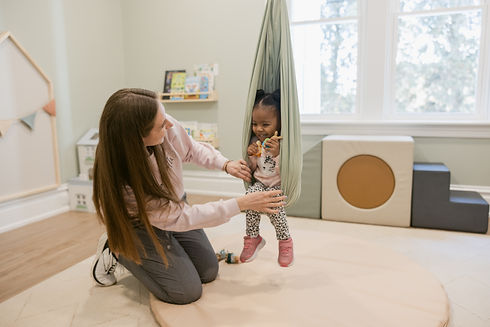
Located in Mechanicsburg, Pennsylvania, our therapists use individualized, play-based therapy to help children gain confidence while developing important life skills.
We partner closely with families to ensure that therapy strategies carry over into everyday routines.

Occupational therapy helps children build the skills, confidence, and independence they need to participate fully in everyday life.
Signs Your Child May Benefit from Occupational Therapy
Your child may benefit from occupational therapy if they:
-
have difficulty with handwriting or using scissors
-
struggle with sensory sensitivities (noise, textures, clothing)
-
have trouble focusing or regulating their energy level
-
avoid certain foods or have feeding challenges
-
have difficulty with dressing, toileting, or daily routines
-
appear clumsy or struggle with coordination
-
have difficulty regulating emotions
-
struggle with transitions or routines
-
have been diagnosed with ADHD, autism, or developmental delays
-
If you are unsure whether your child may benefit from occupational therapy, our team can provide a comprehensive evaluation.
Areas Our Occupational Therapy Program Focuses On
Sensory Integration & Sensory Processing
Sensory & Emotional Regulation
Some children experience difficulty processing sensory information from their environment.
Our therapists help children improve their ability to respond to sensory input through sensory integration therapy, helping them become more comfortable and regulated in everyday environments.
We address:
-
sensory seeking behaviors
-
sensory avoidance or sensitivities
-
difficulty with transitions
-
overstimulation in busy environments
-
challenges with attention and regulation
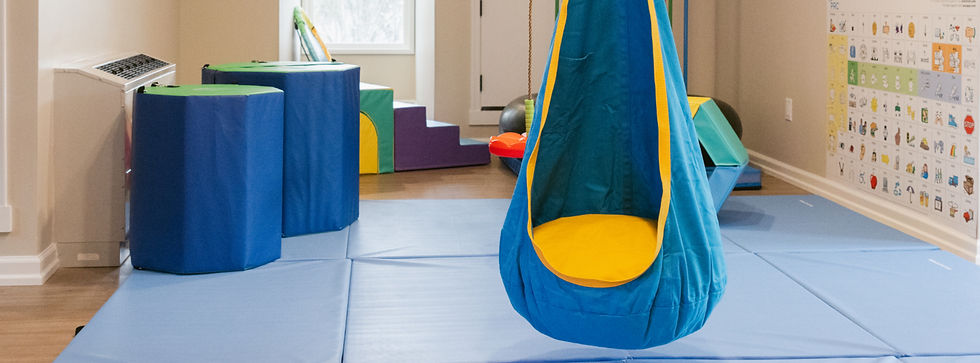
Children may benefit from activities in our sensory gym, which provides opportunities for movement, balance, and coordination.
Many children struggle with regulating their bodies and emotions throughout the day.
Our therapists help children develop strategies to:
-
regulate energy levels
-
manage frustration and emotional responses
-
improve focus and attention
-
transition between activities
-
build coping strategies
These skills are especially helpful for children experiencing:
-
anxiety
-
ADHD
-
sensory processing challenges
-
difficulty with self-regulation
Interoception Development
Fine Motor Skill Development
Interoception is the ability to understand signals from the body, such as hunger, thirst, fatigue, or the need to use the bathroom.
Children with interoceptive challenges may have difficulty recognizing internal body cues.
Occupational therapy can help children:
-
recognize body signals
-
improve awareness of hunger and fullness
-
better identify emotions
-
improve toileting awareness
-
build stronger self-regulation skills
Fine motor skills are essential for everyday tasks such as writing, cutting, dressing, and manipulating small objects.
Our therapists work with children to strengthen:
-
hand strength
-
finger coordination
-
grasp patterns
-
bilateral coordination
-
precision and control
These skills support success in school and daily activities.
Handwriting & School Skills
Feeding Therapy
Many children struggle with handwriting due to underlying motor or sensory challenges.
Occupational therapy can help improve:
-
pencil grasp
-
letter formation
-
spacing and organization
-
writing endurance
-
visual motor integration
We also support school-based tasks such as:
-
cutting with scissors
-
coloring
-
classroom participation
-
following multi-step instructions
Feeding challenges can impact nutrition, growth, and family routines.
Our occupational therapists provide feeding therapy to support children who experience:
-
picky eating or limited food variety
-
difficulty chewing or swallowing
-
oral sensory sensitivities
-
difficulty transitioning to new foods
-
anxiety around mealtimes
Our therapists use supportive, child-centered approaches to help children develop positive relationships with food.
Activities of Daily Living
ADHD & Attention Challenges
Occupational therapy also helps children build independence with everyday routines.
We work on:
-
dressing skills
-
toileting independence
-
hygiene routines
-
mealtime participation
-
organizing school materials
Building independence helps children develop confidence and self-esteem.
Children with ADHD may experience difficulties with:
-
focus and attention
-
impulse control
-
organization
-
emotional regulation
-
task completion
-
Occupational therapy can help children develop strategies to manage attention and build executive functioning skills.
Age Groups We Serve:
0-1
INFANTS
1-3
TODDLERS
3-5
PRESCHOOLERS
5-18
SCHOOL AGE
18+
ADOLESCENTS
Areas We Serve:
Camp Hill, Pennsylvania
Carlisle, Pennsylvania
Dillsburg, Pennsylvania
Enola, Pennsylvania
Etters, Pennsylvania
Harrisburg, Pennsylvania
Hershey, Pennsylvania
Mechanicsburg, Pennsylvania
New Cumberland, Pennsylvania
York, Pennsylvania
Our pediatric therapy clinic proudly serves families throughout:
Families across the region trust Clear Path Pediatric Therapy for high-quality, compassionate care.
Our Therapy Approach
EVALUATION | TREATMENT | COACHING | COLLABORATION
At Clear Path Pediatric Therapy, our occupational therapists use a play-based, child-centered approach.
Our therapy focuses on:
-
individualized treatment plans
-
evidence-based therapy strategies
-
sensory-rich environments
-
family collaboration
-
functional skill development
We believe children learn best when therapy is engaging, meaningful, and tailored to their interests.
Occupational Therapy Evaluation Process
Your child’s journey begins with a comprehensive occupational therapy evaluation.
During the evaluation our therapist will:
-
assess fine motor and visual motor skills
-
evaluate sensory processing and regulation
-
review developmental history
-
observe play and functional activities
-
discuss family concerns and goals
-
Following the evaluation, we develop a personalized therapy plan tailored to your child’s needs.
Why Families Choose Clear Path Pediatric Therapy
Families choose Clear Path Pediatric Therapy because we offer:
-
experienced pediatric therapists
-
individualized therapy plans
-
family-centered care
-
a welcoming and child-friendly clinic environment
-
collaboration with schools and pediatricians
Our mission is to help every child develop the confidence and skills needed to reach his/her full potential.


Does My Child Need Occupational Therapy?
Many parents wonder whether their child’s challenges are simply part of development or something that may benefit from additional support. Pediatric occupational therapy helps children build the skills needed to participate successfully in daily routines at home, school, and in the community.
Your child may benefit from occupational therapy if they:
-
struggle with handwriting, cutting, or other fine motor tasks
-
have difficulty focusing or staying seated in school
-
avoid certain clothing textures, sounds, or environments
-
seem overly sensitive to touch, noise, or movement
-
have difficulty regulating emotions or frustration
-
struggle with dressing, toileting, or self-care tasks
-
have feeding challenges or extremely limited food preferences
-
appear clumsy or have difficulty with coordination
-
have been diagnosed with ADHD, autism, or developmental delays
An occupational therapy evaluation can help identify underlying challenges and determine how therapy may support your child’s development and independence.
What Is Sensory Processing Disorder?
Sensory processing refers to how the brain receives and responds to information from the senses, including touch, movement, sound, sight, taste, and body awareness.
Some children experience difficulty processing this sensory information, which can affect their ability to participate comfortably in everyday activities.
Children with sensory processing challenges may:
-
become overwhelmed in busy environments
-
avoid certain textures, foods, or clothing
-
seek excessive movement or physical activity
-
have difficulty sitting still or focusing
-
struggle with transitions or changes in routine
Pediatric occupational therapy can help children develop the skills needed to process sensory information more effectively. Through activities that support sensory integration, children learn strategies to regulate their bodies, improve attention, and feel more comfortable in their environments.
At Clear Path Pediatric Therapy, our sensory-focused interventions often take place in our sensory gyms, where children can safely explore movement, balance, and coordination.
Occupational Therapy for Picky Eating & Feeding Challenges
Feeding difficulties are more common than many families realize. Some children struggle with accepting new foods, tolerating certain textures, or participating comfortably in mealtime routines.
Feeding therapy provided by occupational therapists can support children who:
-
have extremely limited food choices
-
avoid certain textures, smells, or food groups
-
experience anxiety around mealtimes
-
gag or have difficulty chewing certain foods
-
struggle to transition to new foods
Our therapists take a child-centered, supportive approach to feeding therapy. Rather than forcing children to eat unfamiliar foods, therapy focuses on gradually building comfort, confidence, and positive experiences with food.
Through structured activities and play-based exploration, children can develop:
-
improved oral motor skills
-
greater tolerance for new textures and flavors
-
more flexibility with food choices
-
a healthier and more positive relationship with food
Our goal is to help families feel confident and supported while building enjoyable mealtime experiences.
Sensory Signs Parents Often Notice at Home
Many children experience challenges with processing sensory information. These differences can affect how children respond to everyday experiences such as clothing, food textures, movement, noise, and transitions.
Parents often notice sensory-related behaviors at home before realizing that occupational therapy may help.
Your child may be experiencing sensory processing challenges if they frequently:
Avoid Certain Sensations
-
refuse certain clothing textures or tags
-
dislike messy play such as finger paint or sand
-
avoid hair brushing, nail trimming, or tooth brushing
-
become overwhelmed in noisy or crowded environments
Seek Excessive Sensory Input
-
constantly move, jump, or climb
-
spin or seek intense movement activities
-
chew on clothing, toys, or pencils
-
crash into furniture or people while playing
Have Difficulty with Regulation
-
struggle to calm down when upset
-
become easily overwhelmed or frustrated
-
have difficulty transitioning between activities
-
seem overly sensitive to sounds or bright lights
Struggle with Body Awareness
-
appear clumsy or frequently bump into things
-
have difficulty judging personal space
-
struggle with balance or coordination
-
have trouble sitting still for activities
Children with sensory challenges are not misbehaving. Often their nervous systems are simply responding differently to sensory information.
Pediatric occupational therapy can help children develop the skills needed to better process sensory input, regulate their bodies, and participate more comfortably in daily activities at home and school.
At Clear Path Pediatric Therapy in Mechanicsburg, Pennsylvania, our therapists use play-based activities and sensory integration strategies to help children build these important skills.